COURSE / 05 MODULES / 16 RESEARCH FINDINGS
BPC-157: a structured reading of the research record.
A self-paced course through the pentadecapeptide literature — mechanism, tissue repair, pharmacokinetics, and the regulatory frame.
Module 00 — the short version
BPC-157 is a synthetic 15-amino-acid peptide derived from a protein fraction in human gastric juice. No drug regulator anywhere in the world has signed off on it as a medicine. It was once on the FDA's 503A Category 2 list, but FDA's page as of April 22, 2026 no longer has it on that list because the nomination was withdrawn, which is not the same as FDA saying pharmacies may make it. The overwhelming majority of evidence comes from rodent studies conducted largely by one research group in Zagreb. Three small uncontrolled human pilot studies exist — 28 participants total. In animal models, BPC-157 is associated with faster tendon, ligament, and gut healing; VEGFR2-driven angiogenesis; and broad cytoprotection across organ systems. These findings are real in rodents; they are not proven in humans. This course walks through the mechanism, the tissue-repair studies, the pharmacokinetics, the dosage record, and the regulatory frame — in that order. For what people who have used BPC-157 in research contexts actually report, see the effects page.
What is BPC-157?
BPC-157 (Body Protection Compound 157) is a 15-amino-acid synthetic peptide with the sequence GEPPPGKPADDAGLV. Its molecular weight is 1419.5 Da. The compound was derived from a protein isolated in human gastric juice and was first characterized in Zagreb in the 1990s. In published literature it appears under several synonyms: Pentadecapeptide BPC 157, PL 14736 (the topical enema formulation studied in IBD trials), BPC157, and Stable Gastric Pentadecapeptide BPC 157.
The compound has been studied in rodent models across a range of tissue systems — gastrointestinal, musculoskeletal, neurological, and cardiovascular. It is not approved by the FDA, EMA, or any other regulatory authority for human therapeutic use. The FDA listed BPC-157 in 503A Category 2 with its September 2023 update, citing safety risks; the agency's current page shows that nomination as withdrawn and leaves open whether a compounding pharmacy may use it. The World Anti-Doping Agency classifies it under the S0 Non-Approved Substances category, prohibiting its use by competitive athletes both in- and out-of-competition [13].
This site is an independent editorial resource. The pages that follow present the peer-reviewed literature in a structured, modular format — mechanism first, then findings by tissue system, then research-context dosage information, then a dedicated page on reported effects and safety, then a comprehensive FAQ, then the full reference list.
The research base: scale and limits
As of 2025, the BPC-157 literature includes over fifty published rodent studies, multiple review articles, and three small pilot studies in humans [13]. The overwhelming majority of experimental data comes from a single research group at the University of Zagreb, working primarily with male Wistar rats. Independent replication is limited — a fact the 2026 review by Yuan et al. in the International Journal of Molecular Sciences explicitly flags as a key barrier to translating preclinical findings to clinical applications [16].
For researchers and students approaching this literature, that concentration of origin matters. The mechanistic findings are coherent and internally consistent across the Zagreb group's work, and the compound's pleiotropic, tissue-context-dependent behavior has been confirmed in several independent pharmacokinetic analyses [10]. The human data, however, is extremely thin. The 2025 narrative review by McGuire et al. in Current Reviews in Musculoskeletal Medicine identified only three published human studies, totaling 28 participants across three different routes of administration and three different target conditions [13].
The modules that follow are structured to distinguish clearly between preclinical (rodent or in vitro) evidence and the small body of human pilot data. Status chips throughout the course mark each finding accordingly.
Course structure
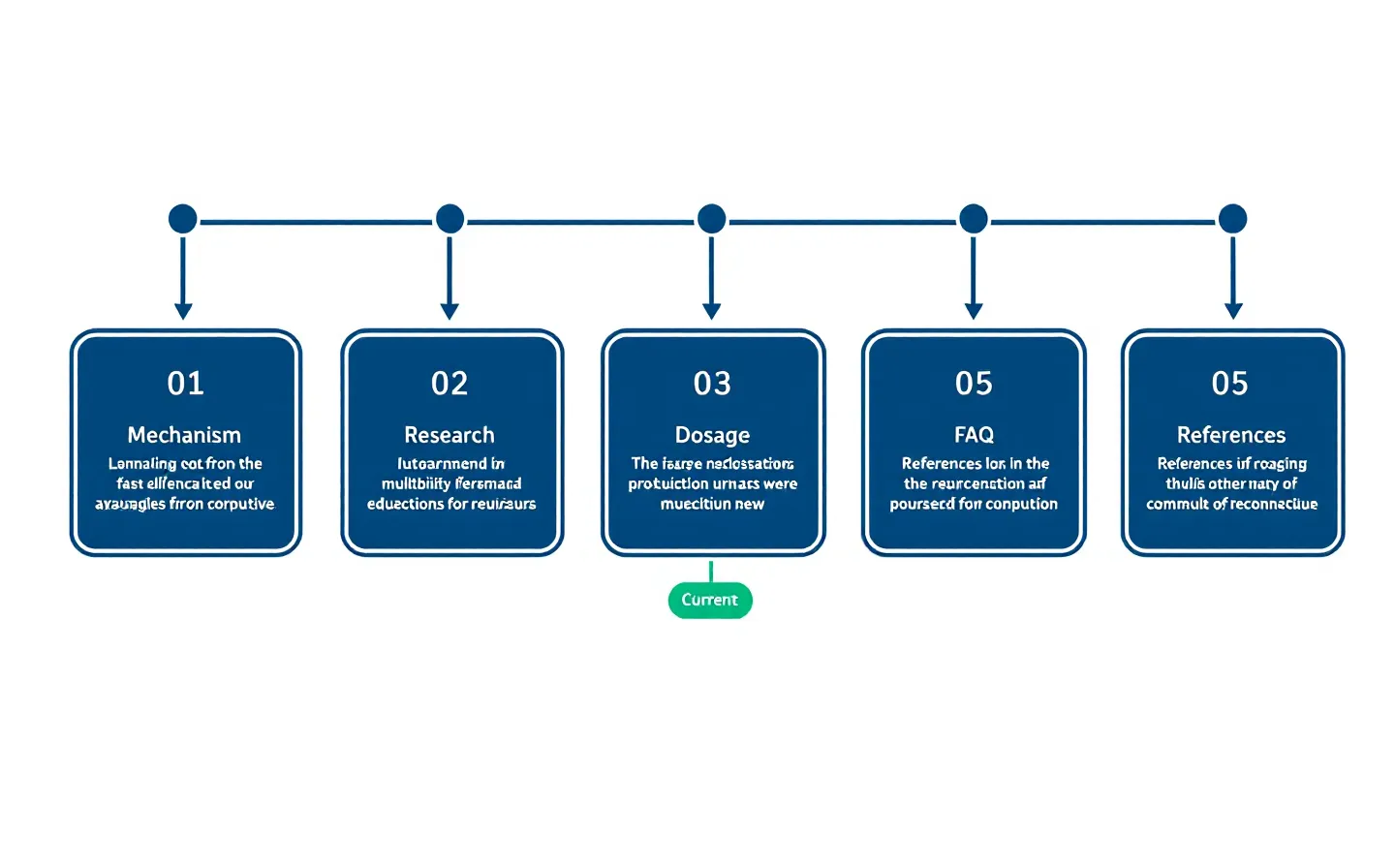
Module 01 / Research covers the mechanism of action in detail — VEGFR2 upregulation, the Akt-eNOS signaling axis, ERK1/2 and FAK-paxillin pathways, and the nitric oxide system modulation that underlies BPC-157's pleiotropic, tissue-adaptive behavior. It then moves through the principal findings by tissue system: musculoskeletal, gastrointestinal, neurological, and cardiovascular. Each finding is cited directly from the primary literature.
Module 03 / Dosage presents the research-context dosage record — the dose ranges, routes, and durations used in published animal studies. This module explicitly does not constitute dosing guidance for any purpose; it is a record of what was administered in which studies at which quantities.
Module 04 / FAQ addresses the ten standard questions from the search literature plus additional questions that recur in research-context discussions. The FAQ register is slightly warmer than the research module but remains grounded in the primary literature.
Module 05 / References provides the full sortable bibliography with DOIs, PubMed links, and study-type classification.
The About page documents this site's editorial standards, sourcing methodology, and independence. The Contact page provides a research-inquiry form.
Key facts at a glance
Compound class: Synthetic pentadecapeptide derived from human gastric protein fraction.
Sequence: GEPPPGKPADDAGLV (15 amino acids).
Molecular weight: 1419.5 Da.
Primary mechanisms studied: VEGFR2 upregulation, Akt-eNOS axis activation, ERK1/2 and FAK-paxillin signaling, NF-kB downregulation, growth hormone receptor upregulation, Egr1 activation [1][4][5].
Tissue systems studied in animal models: tendon, muscle, bone, gastrointestinal mucosa, liver, kidney, lung, heart, spinal cord, brain [1][2][3][4][5][6][7][8][9][10][11][12][15].
Plasma half-life (IV, rat): approximately 15.2 minutes [10].
Human clinical data: three pilot studies, 28 participants total; no completed Phase 2 or Phase 3 RCTs [13].
Regulatory status: Not FDA approved. Not EMA approved. WADA S0 prohibited [13].
Lethal dose: No lethal dose established in mice at 2 g/kg IV or intragastric [11].